VHF: Canal 77
"Se navega por los astros, por la mar, por la tierra, por las gentes, por los sentimientos...Se navega." — Altair

Anuncio

Colapsar

NORMAS DEL FORO: OBLIGATORIA SU LECTURA

Hola cofrade, has recalado en la Taberna del Puerto, algo más que un foro náutico. Eres bienvenido, participa, aprende y enséñanos; de eso se trata, de enriquecernos todos en nuestros conocimientos, y sobre todo de pasar un buen rato. No entres si vienes buscando conflictos, polémicas o cualquier otro fin que no sean los anteriormente descritos. Tenemos algunas normas y es obligatorio que las leas antes de empezar.

1/ Este es un foro náutico y aunque se permite hablar de otros temas, se ruega contención en el uso de los mismos, para ello existe un foro específico.

2/ Usa títulos claros y que describan el contenido del tema. De este modo será más fácil encontrarlos en el buscador para posteriores consultas además de que facilitas el trabajo de los que te vayan a responder. Títulos ambiguos como “ayuda”, “tengo un problema”, etc... no colaboran a este fin. Inserta tú tema en el foro adecuado, mira antes de lanzarlo por si alguien poco antes que tú ha puesto lo mismo; si es así no crees un tema nuevo, contesta al otro. Usa el buscador, es una gran herramienta. No escribas todo el texto con mayúsculas, se interpreta como que estás gritando. Todo esto facilita enormemente el trabajo de los que curramos aquí.

3/ No se permite el "spam" ni la publicidad de empresas o de actividades que conlleven lucro. Tampoco solicitud de ofertas de empresas o profesionales salvo en los foros de anuncios de compra-venta.

4/ No uses el foro como un chat salvo en aquellos temas habilitados a tal efecto, los cuales periódicamente serán eliminados. Las contestaciones reiterativas y/o automáticas, haciendo uso del sistema copi-pegui o cualquier otro no están permitidas.

5/ Respeta a los demás y a sus opiniones si quieres que las tuyas sean respetadas. Los insultos, la agresividad, el mal gusto y la mala educación no están permitidas en este foro. Aquí venimos a divertirnos, no a pelearnos. Se prohíbe insultar, ser agresivo, maleducado, soez, no respetar a los demás, intentar imponer nuestras ideas, empezar o dar pie a que empiecen peleas o trifulcas. Se exige orden y delicadeza a la hora de tratar ciertos asuntos, como por ejemplo, en lo que a la ortografía se refiere. Serán considerados como insultos y faltas de respeto el calificar a los Moderadores y/o Administradores como censores, dictadores, que coartan la libertad de expresión, que aplican un doble rasero, y expresiones similares.

6/ Nos gusta conocer con quién hablamos, así que, una pequeña presentación en el foro correspondiente que existe para tal fin siempre será bien recibida. No obstante, si alguien decide no presentarse, los demás usuarios se abstendran de reclamar dicha presentación y/o realizar crítica o petición alguna.

7/ Los temas políticos o que induzcan a la polémica innecesaria, mejor los dejas para otros foros de los muchos que hay para ello en la red. Se prohíbe hablar de política, de política económica, de política social, de nacionalismos, de antinacionalismos, de diferencias idiomáticas, de banderas nacionales, de exaltaciones patrióticas, de hechos diferenciales, de religión, de anti-religíon, de toros y del maltrato animal, y en general de todos los temas que se sabe de antemano van a ser polémicos y mucho más si no son náuticos. No contestes a estos temas o mensajes, informa a los administradores. No se tolerarán actitudes racistas, xenófobas, sexistas, denigrantes hacia otros colectivos o para con los demás, totalitarias o extremistas sean del signo que sea.

8/ El reenvío de mensajes que hayan sido modificados, o bien el envío de otros mensajes que muestren su descontento con esta modificación, pueden conducir al bloqueo de la cuenta. Esto también sucederá cuando un usuario insista en retomar algún tema o continuar sobre una conducta de la que se le ha alertado. En casos de que la mala conducta de un usuario continúe, se podrá proceder a su expulsión definitiva.

9/ Todos los temas y/o mensajes que fomenten la piratería sobre cualquier software u otro material protegido, o informen de cómo o dónde llevarla a cabo serán retirados inmediatamente del foro. No obstante, y debido a la imposibilidad por parte de los administrador de controlar todos los temas y mensajes , si alguien detecta cualquier incidencia de este tipo ruego lo comunique de forma inmediata a la administración, especificando el enlace al tema para poder ser retirado.

10/ Se prohíbe la reproducción total o parcial de textos u otros medios sujetos a Copyright y/o pertenecientes a otras webs, foros, etc... Sin embargo si que se podrán insertar enlaces a los mismos, pero siempre haciendo referencia a la página propietaria.

11/ La Taberna es un foro en lengua castellana o español, pero cada uno es libre de expresarse como quiera, allá él si la mayoría no lo entiende. Los usuarios se abstendrán de hacer ningún comentario indicando al que escribe en otra lengua su pertinencia o no. Tampoco se tolerará el uso del idioma como arma reivindicativa de ningún tipo.

12/ No se permiten insultos ni difamaciones a empresas, profesionales o particulares. Tampoco acusaciones de ningún tipo, que no estén probadas o demostradas judicialmente o por lo medios legales adecuados. Este no es un medio para presentar denuncias, para ello, existen los juzgados, consumo, etc...

13/ No se permite la inserción de hilos o mensajes con el fin de generar exclusivamente tráfico a otras web o canales, bien sea mediante enlaces, mediante árticulos, ficheros o datos parciales, o por cualquier otro método.

14/ Cualquier incumplimiento de estas normas, puede ser motivo de amonestación y/o expulsión del autor, de borrado o cierre de temas o mensajes, o de cualquier otra medida que la administración decida para intentar hacer que éstas sean cumplidas. Los temas pueden ser movidos o unidos sin previo aviso a criterio de los administradores.

15/ Si estás de acuerdo con ellas este es tú sitio; si no te gustan, no te apetece cumplirlas, las consideras restrictivas, censoras o que coartan tu libertad de expresión, no entres, no intervengas, y no te quejes cuando te sean aplicadas las medias correctoras adecuadas. No luches por cambiarlas a tu conveniencia, no puedes.

16/ Baja Voluntaria del foro.

Ni éste ni ningún otro Foro tiene previsto un sistema de Bajas voluntarias y automáticas. Simplemente con dejar de participar en él, y editar el Perfil de usuario para que dejen de aparecer los datos que crean no deben verse es sufiente.

No obstante, si alguien quiere que se le borre su cuenta, deberá enviar un e-mail desde el enlace "contáctanos" que se encuentra en la parte inferior del foro usando el e-mail con el que está registrado en la Taberna ya que es la única forma de comprobar la autenticidad del que se quiere dar de baja.
Así se evita que alguien pueda coger los datos de tu cuenta y pedir que se borre la misma.

Por otro lado advertir que los mensajes del usuario aparecerán, una vez borrada la cuenta, como realizados por un "invitado" ya que las intervenciones en un Foro público, son públicas. Es decir, desde el momento en que se publican dejan de pertenecer al usuario. Por otro lado, como siempre hay contestaciones a los mensajes, si algunos son borrados, el hilo deja de tener sentido.

En cualquier caso, si existe algún o algunos mensajes en el que aparezcan datos personales que el usuario no quiere que sigan apareciendo, ANTES de pedir la baja, podrá reportarnos estos mensajes, usando la opción "reportar mensajes" y nosotros eliminaremos esos datos personales.

Se entiende que una vez borrada la cuenta, esta acción es irreversible, con lo cual no se podrá volver atrás.


Estas normas pueden ser modificadas sin previo aviso, por lo que se recomienda consultarlas regularmente...


Bueno, y eso es todo, pasa, busca asiento por donde puedas y pide lo que guste...
Ver más
Ver menos

Veleros pequeños

Colapsar
X
 
  • Filtrar
  • Tiempo
  • Mostrar
Limpiar Todo
nuevos mensajes

  • Re: Veleros pequeños

    Creo que seguramente estos veleros sean los más pequeñitos que hayan aparecido hasta ahora en este hilo :

    Comentario


    • Re: Veleros pequeños

      Eso si que son micros

      Comentario


      • Re: Veleros pequeños


        Golden Dragon

        artista: Graham Jewitt
        artefacto: kingfisher 20 tuneado

        volvía del Desafío Jester rumbo a la pérfida albión cuando el viento y el mar aumentaba y aumentaba y cuenta que estuvo 6-7 días corriendo delante del viento y las olas hasta que se enteró por la radio que Fuerza 8 le atrapaba y ya estaba por desgracia encima de la plataforma continental, sopló Fuerza 8 dos días seguidos y durante 18 horas Fuerza 9

        (hay un papel de un comité del parlamento europeo que dice que los navegantes de recreo llamamos Fuerza 8 a lo que la meteorología llama Fuerza 6 y dice que llamamos Fuerza 10 a Fuerza 8, y razón no le falta, por eso me interesan los casos donde el navegante escuchó la radio, pues por ejemplo 24-28 nudos son 20 nudos meteorológicos, a mí una confusión de dos escalones como dice el papel del parlamento europeo me parece mucho, pero un escalón lo tengo comprobado, a Fuerza 7 le llamamos Fuerza 8, y a 8 le llamamos 9)

        Veamos este bicho, el Dragon Dorado, un kingfisher 20 tuneado

        (1) hydrovane, es un chisme que vale un riñón, pero es una buena solución: (A) es un buen timonel, no se cansa, no consume batería, y puede estar día tras día llevando el barco, y (B) es un buen timón, bien perfilado y compensado, que está ahí de suplente por si el timón titular fallara (y encima como está bien a popa ayuda a mover la fuerza hidrodinámica a popa del centro de gravedad y por tanto ayuda a equilibrar el velero)

        (2) maniobra sencilla, este tipo de navegantes eligen este tipo de aparejo por su sencillez y seguridad pues no hay que salir a la bañera, basta asomar la cabeza y los brazos (hay que tener en cuenta que el piloto también se maneja con un cabito)

        (3) seguridad pasiva a la Robert Manry: portillo estanco y todo bien lleno de corcho blanco

        (4) para capear el temporal usó dos paracaídas de 5 pies de diámetro de los que se usan para sacar cargas y que a veces se pueden encontrar por 50 dólares (buscar military extraction parachute) un cabo con tres defensas por desgracia blancas y dice que para la próxima llevará una boya naranja, 60 metros de cabo y 30 metros de cadena, cuenta que tardó unas dos horas en montar y largar todo el tinglado, pienso que habría que buscar cómo simplificar este enredo pues yo me temo que metido en faena seguro que meto la pata como en un relato donde el tipo se queda enganchado por el tobillo y el paracaídas quiere arrancarle la pierna ...

        cuenta que el barquito se quedó con la proa a unos 20 grados del viento, seguramente por culpa de la posición del palo, pero la cosa fue dice "razonablemente confortable" y en los dos días encerrado dice que se lavó, se afeitó y cocinó, y cuenta que le atrapó una Ola-suegra (sic, así, "ola suegra", mother-in-law wave) y le hizo una pequeña vía de agua en la cubierta en el lado de sotavento que estuvo goteando, que es lo que suele ocurrir, el leñazo se lo lleva la banda de sotavento, menos mal que estaba más o menos proa a la mar y anclado en el mar, pues el peligro no es sólo volcar sino que una Ola de tipo King-Kong agarre el botecito lo lance contra su seno y lo reviente por la velocidad que le mete y por la altura desde la que lo tira. La idea de anclarse al mar en un temporal es (1) para poner proa a las olas (2) para que el bote se defienda solo y (3) que el botetico no salga volando
        John F. Kennedy decía que los violentos fanáticos Rusos, Ucranianos, Polacos y Lituanos que invadieron (1917-) Palestina debían pagar las miles de casas que robaron o permitir a los lugareños volver a sus casas

        Desde el gueto de Gaza (de tipo alemán con administración autónoma como el gueto de Varsovia) muchos pueden ver a lo lejos las fincas de sus abuelos: - mira, allí un Ucraniano y un Ruso de una etnia medieval forjada por rabinos (1033-) le metieron una bala en el cráneo a mi abuela

        Comentario


        • Re: Veleros pequeños

          Super interesante

          Comentario


          • Re: Veleros pequeños

            Hola a todos:

            Aunque yo no navego, me gustaría mucho, y creo que este es uno de los hilos más interesantes del foro.
            He tardado dos días en leerlo entero y me ha encantado.

            Si algún día tengo dinero para comprarme un pequeñín de esos, este será mi lugar de referencia.

            Comentario


            • Re: Veleros pequeños


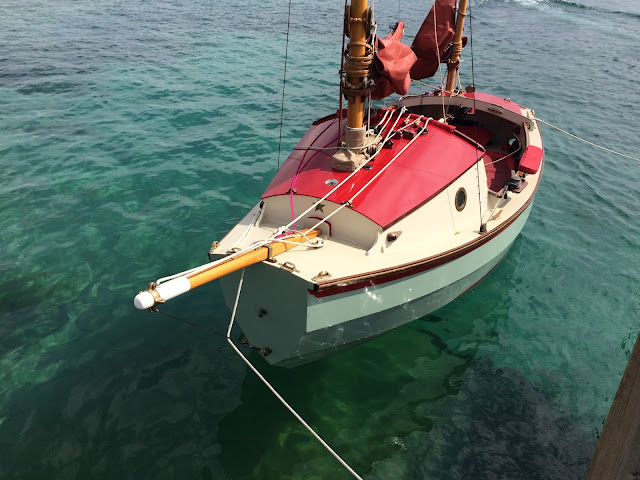
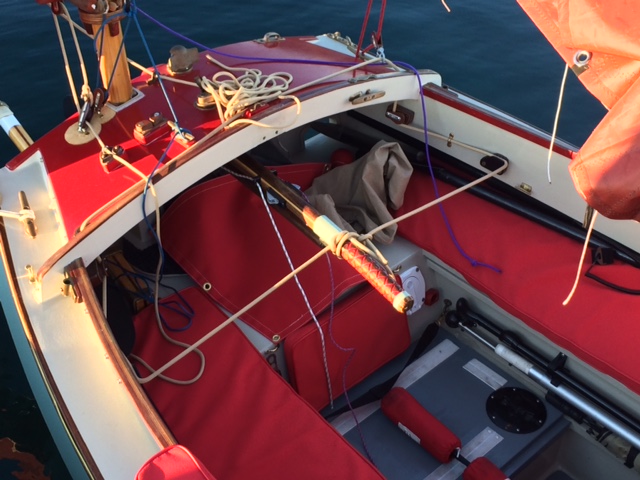
              El aventurero Howard Rice ha construido con esmero un Scamp (diseño de John Welsford) y acaba de comenzar las pruebas


              su intención es llevarlo a Chile en un contenedor e ir a dar un paseito por la Patagonia y el Cabo de Hornos

              (años atrás este aventurero estuvo por la Patagonia con un kayak)

              John F. Kennedy decía que los violentos fanáticos Rusos, Ucranianos, Polacos y Lituanos que invadieron (1917-) Palestina debían pagar las miles de casas que robaron o permitir a los lugareños volver a sus casas

              Desde el gueto de Gaza (de tipo alemán con administración autónoma como el gueto de Varsovia) muchos pueden ver a lo lejos las fincas de sus abuelos: - mira, allí un Ucraniano y un Ruso de una etnia medieval forjada por rabinos (1033-) le metieron una bala en el cráneo a mi abuela

              Comentario


              • Re: Veleros pequeños

                Gracias, muy interesante el blog

                Comentario


                • Re: Veleros pequeños

                  La elección del tipo de vela del barco de Howard Rice, es por alguna razón porlo que lo prefiere al tipo de vela que se utiliza habitualmente en la actualidad?
                  Presenta alguna ventaja, o es por estética?

                  Saludos y buen viento.
                  Me esperan los dias
                  que pretendo llenar
                  y que me hagan vibrar.
                  Y aprendiendo mi vida
                  solo quiero sentir
                  que no es vida perdida

                  Comentario


                  • Re: Veleros pequeños

                    Según el blog, es la elegida por el tipo de navegación y condiciones de mar que espera encontrar en tierra de fuego.
                    Sencilla, con múltiples combinacionales.
                    Hay una entrada que lo explica.
                    Saludos

                    Comentario


                    • Re: Veleros pequeños

                      Originalmente publicado por morfeo Ver Mensaje
                      Según el blog, es la elegida por el tipo de navegación y condiciones de mar que espera encontrar en tierra de fuego.
                      Sencilla, con múltiples combinacionales.
                      Hay una entrada que lo explica.
                      Saludos
                      La entrada que mencionas, ¿recuerdas cual era?
                      No pensaba que era un aparejo sencillo, por lo que resulta interesante.
                      Saludos
                      Me esperan los dias
                      que pretendo llenar
                      y que me hagan vibrar.
                      Y aprendiendo mi vida
                      solo quiero sentir
                      que no es vida perdida

                      Comentario


                      • Re: Veleros pequeños

                        No he podido hacer un enlace.
                        Saludos

                        A Rig For Southern Cross
                        By Southern Cross Designer- John Welsford (aka- The Pesky Kiwi Pun King)

                        Genesis
                        “Howard and I collaborated on a different rig for his SCAMP, one specifically designed for the environment in which he will be using it. After much thought he settled on a split rig utilizing a gaff main and I drew it from his base design. Howard has a strong like of a gaff rigged main from experience and suggested the value of the split rig for a number of sensible reasons. His innovation of the running shrouds (not back stays) is a key element to the safety aspect of the rig.

                        So why not use the lug rig that moves SCAMP so well in her normal waters?
                        Lets have a look at that.

                        With that single large sail SCAMP won't heave to in the conventional sense, they “Park” (Howard coined that apt phrase). That’s broadside on, and they will sit there happily as long as you want, not going anywhere. SCAMP's are safe “parked” in waves up to about a meters and a half high. That’s close to five feet. Big wave for a little boat and very few small boats will ever be out on the water in those conditions.

                        Where Howard is going there can be waves up to ten times that high. ( that’s on a good day) The boat has to be able to sit hove to head to wind and, the single big sail wont do that.

                        Sail Reduction-
                        We normally put three lines of reefing points onto a SCAMP sail, if the wind is such that there is still too much sail up when on the last reef, its pull the sail right down and sit in the bottom of the boat to wait out the squall. But where Southern Cross is going ,control in sustained extremely high winds is imperative and the single big sail doesn’t give the choices in sail reduction that are needed. IN addition hoisting and striking the single lug sail in extreme or gusty conditions could prove problematic for Howard.

                        Damage-
                        With one big sail the loads on that sail and its systems are high, SCAMP has extraordinary stability for a small boat but the loads on the rig are higher than you’d expect. Any failure leaves the boat drifting with little chance of improvising a jury rig, and Southern Cross is going where no small boat has ever been before ( I tried to work a Star Trek quote in there but that has to be near enough), and there is no chance of support or repair, so there has to be a lot of redundancy in the setup. The ability to create a rig out of the wreckage should she be rolled and dismasted is beyond important, it may be the only answer in a life or death scenario.

                        So with all of this and a few other criteria in mind I set out to draw the rig that Howard called for and that would be ‘fit for purpose”.

                        The gaff yawl is a powerful rig-
                        It is not particularly close winded but it generates a lot of drive for a given heeling force. In simple terms, that’s more drive for the amount of stability that the boat has. In heavy weather few boats will sail close to the wind anyway, and small boats more so than big ones so I drew a rig that would produce the most thrust at the wind angle that will be practical in those conditions.

                        A gaff mainsail means a relatively short mast, strong, easy to manage should it need to be pulled out for work, with low windage and light in weight.

                        With three sails, reef points on the main and the ability to change jibs there are many different combinations available. Dropping the mizzen and main for example will work when reaching or running before a squall, the small jib being easy to control at any angle to the wind.

                        When sailing across or upwind the main can be reefed, reefed several times until its time to drop it completely, and with jib and mizzen the boat is still balanced, easy to control and able to heave to if needed.

                        The Mizzen Sail
                        In spite of what some write about mizzens that little sail is really useful, it enables the boat to be hove to head to wind, can be used to manage the weather helm enabling the boat to self steer, a huge help on long days, and remember, summertime in the deep south means that there can be daylight for 20 hours. The ability to let the boat sail herself is a real help to the singlehanded skipper wanting to rest, navigate, eat or make repairs under way.

                        With the jib on a roller furler, that sail can be “disappeared” when needed (down and all the way back into the cockpit until needed), and a bigger drifter set flying, all without leaving the safety of the cockpit. There are days of calm weather in the region and Howard’s strategy is to sail as quickly as possible to take advantage of these breaks. Southern Cross can set a lot of sail in those conditions.

                        Staying-
                        Now here’s where one of the big differences appear. The mainmast is not stayed in the normal sense, in fact it does not need stays at all. When capsized, or overpowered running off downwind, the mainsail can be pinned against the stays, in the former case that makes it very difficult to manage when righting as it will try and drive the boat forward or capsize her again as it comes up. In conventional boats its necessary to swim the boat around head to wind to prevent this, but in these cold waters, and in the sort of conditions that might capsize this little ship that’s not a good thing. Should Howard capsize and chances are he may and more than once time will be of the essence. He has to my knowledge tested and learned from some 60 SCAMP capsizes both solo and with crew in teaching and demonstrations. Howard was also a key player in the initial capsize tests conducted on the prototype SCAMP #1. He knows the boat both upright, turtled and on her side likely better than anyone else. He and I have had the opportunity to really understand the mechanics of avoiding capsize and how to execute fast righting and re-entry should it happen.

                        With the free standing mast, the sail can swing downwind wherever the boat lies relative to the wind and with the main luffed, the mizzen and job sheets free, she will lie quietly.

                        Going downwind in a heavy squall can be dangerous, and believe me this area is prone to them, walls of spray hundreds of metres high, appearing out of nowhere, coming at you at 60 knots is not uncommon!

                        The ability to let the main “flag” forward is a real help, round the boat up to about 45 deg off dead downwind, let the running shroud on that side go and dump the mainsheet then point her back downwind again and the main will swing around fully depowered off the bow.

                        With the jib rolled up or fully struck and the mizzen also swung around its unstayed mast the boat is unpowered, just being pushed along at a controlled rate by the windage of her hull and spars, but is still able to be brought under sail in an instant to clear a lee shore or sail into a confined space.

                        The mainmast is supported by a running shroud on each side. It’s strong enough to stand unstayed, but the inevitable flex affects the luff tension on the jib, so she has the “running shrouds” there to control that. An aditional benefit of those is to facilitate a jury rig should that be needed.

                        Damage Again
                        In case of a broken mast, the main boom is long enough to make a replacement, the mizzen mast is long enough and with the jib, and the running shrouds to hold it up its tall enough to allow the reefed main with its gaff to be set as a loose footed lugsail which will power the boat sufficiently to make some progress.

                        Again, sailing along the Pacific coast south of the Straights of Magellan is extreme sailing and plain risky, there is little or no chance of assistance should anything go wrong. The skipper has to be able to fix, or rejig the rig in case of breakage minor or major so the rig which Howard has developed has much redundancy built in. I was honoured to have him send me his version of the rig asking that I examine it, refine it and finalize it. We can’t plan for every eventuality, but have done our best to anticipate what the brave little ship will meet, and are confident in her abilities.

                        Comentario


                        • Re: Veleros pequeños

                          Gracias

                          Originalmente publicado por morfeo Ver Mensaje
                          No he podido hacer un enlace.
                          Saludos

                          A Rig For Southern Cross
                          By Southern Cross Designer- John Welsford (aka- The Pesky Kiwi Pun King)

                          Genesis
                          “Howard and I collaborated on a different rig for his SCAMP, one specifically designed for the environment in which he will be using it. After much thought he settled on a split rig utilizing a gaff main and I drew it from his base design. Howard has a strong like of a gaff rigged main from experience and suggested the value of the split rig for a number of sensible reasons. His innovation of the running shrouds (not back stays) is a key element to the safety aspect of the rig.

                          So why not use the lug rig that moves SCAMP so well in her normal waters?
                          Lets have a look at that.

                          With that single large sail SCAMP won't heave to in the conventional sense, they “Park” (Howard coined that apt phrase). That’s broadside on, and they will sit there happily as long as you want, not going anywhere. SCAMP's are safe “parked” in waves up to about a meters and a half high. That’s close to five feet. Big wave for a little boat and very few small boats will ever be out on the water in those conditions.

                          Where Howard is going there can be waves up to ten times that high. ( that’s on a good day) The boat has to be able to sit hove to head to wind and, the single big sail wont do that.

                          Sail Reduction-
                          We normally put three lines of reefing points onto a SCAMP sail, if the wind is such that there is still too much sail up when on the last reef, its pull the sail right down and sit in the bottom of the boat to wait out the squall. But where Southern Cross is going ,control in sustained extremely high winds is imperative and the single big sail doesn’t give the choices in sail reduction that are needed. IN addition hoisting and striking the single lug sail in extreme or gusty conditions could prove problematic for Howard.

                          Damage-
                          With one big sail the loads on that sail and its systems are high, SCAMP has extraordinary stability for a small boat but the loads on the rig are higher than you’d expect. Any failure leaves the boat drifting with little chance of improvising a jury rig, and Southern Cross is going where no small boat has ever been before ( I tried to work a Star Trek quote in there but that has to be near enough), and there is no chance of support or repair, so there has to be a lot of redundancy in the setup. The ability to create a rig out of the wreckage should she be rolled and dismasted is beyond important, it may be the only answer in a life or death scenario.

                          So with all of this and a few other criteria in mind I set out to draw the rig that Howard called for and that would be ‘fit for purpose”.

                          The gaff yawl is a powerful rig-
                          It is not particularly close winded but it generates a lot of drive for a given heeling force. In simple terms, that’s more drive for the amount of stability that the boat has. In heavy weather few boats will sail close to the wind anyway, and small boats more so than big ones so I drew a rig that would produce the most thrust at the wind angle that will be practical in those conditions.

                          A gaff mainsail means a relatively short mast, strong, easy to manage should it need to be pulled out for work, with low windage and light in weight.

                          With three sails, reef points on the main and the ability to change jibs there are many different combinations available. Dropping the mizzen and main for example will work when reaching or running before a squall, the small jib being easy to control at any angle to the wind.

                          When sailing across or upwind the main can be reefed, reefed several times until its time to drop it completely, and with jib and mizzen the boat is still balanced, easy to control and able to heave to if needed.

                          The Mizzen Sail
                          In spite of what some write about mizzens that little sail is really useful, it enables the boat to be hove to head to wind, can be used to manage the weather helm enabling the boat to self steer, a huge help on long days, and remember, summertime in the deep south means that there can be daylight for 20 hours. The ability to let the boat sail herself is a real help to the singlehanded skipper wanting to rest, navigate, eat or make repairs under way.

                          With the jib on a roller furler, that sail can be “disappeared” when needed (down and all the way back into the cockpit until needed), and a bigger drifter set flying, all without leaving the safety of the cockpit. There are days of calm weather in the region and Howard’s strategy is to sail as quickly as possible to take advantage of these breaks. Southern Cross can set a lot of sail in those conditions.

                          Staying-
                          Now here’s where one of the big differences appear. The mainmast is not stayed in the normal sense, in fact it does not need stays at all. When capsized, or overpowered running off downwind, the mainsail can be pinned against the stays, in the former case that makes it very difficult to manage when righting as it will try and drive the boat forward or capsize her again as it comes up. In conventional boats its necessary to swim the boat around head to wind to prevent this, but in these cold waters, and in the sort of conditions that might capsize this little ship that’s not a good thing. Should Howard capsize and chances are he may and more than once time will be of the essence. He has to my knowledge tested and learned from some 60 SCAMP capsizes both solo and with crew in teaching and demonstrations. Howard was also a key player in the initial capsize tests conducted on the prototype SCAMP #1. He knows the boat both upright, turtled and on her side likely better than anyone else. He and I have had the opportunity to really understand the mechanics of avoiding capsize and how to execute fast righting and re-entry should it happen.

                          With the free standing mast, the sail can swing downwind wherever the boat lies relative to the wind and with the main luffed, the mizzen and job sheets free, she will lie quietly.

                          Going downwind in a heavy squall can be dangerous, and believe me this area is prone to them, walls of spray hundreds of metres high, appearing out of nowhere, coming at you at 60 knots is not uncommon!

                          The ability to let the main “flag” forward is a real help, round the boat up to about 45 deg off dead downwind, let the running shroud on that side go and dump the mainsheet then point her back downwind again and the main will swing around fully depowered off the bow.

                          With the jib rolled up or fully struck and the mizzen also swung around its unstayed mast the boat is unpowered, just being pushed along at a controlled rate by the windage of her hull and spars, but is still able to be brought under sail in an instant to clear a lee shore or sail into a confined space.

                          The mainmast is supported by a running shroud on each side. It’s strong enough to stand unstayed, but the inevitable flex affects the luff tension on the jib, so she has the “running shrouds” there to control that. An aditional benefit of those is to facilitate a jury rig should that be needed.

                          Damage Again
                          In case of a broken mast, the main boom is long enough to make a replacement, the mizzen mast is long enough and with the jib, and the running shrouds to hold it up its tall enough to allow the reefed main with its gaff to be set as a loose footed lugsail which will power the boat sufficiently to make some progress.

                          Again, sailing along the Pacific coast south of the Straights of Magellan is extreme sailing and plain risky, there is little or no chance of assistance should anything go wrong. The skipper has to be able to fix, or rejig the rig in case of breakage minor or major so the rig which Howard has developed has much redundancy built in. I was honoured to have him send me his version of the rig asking that I examine it, refine it and finalize it. We can’t plan for every eventuality, but have done our best to anticipate what the brave little ship will meet, and are confident in her abilities.
                          Me esperan los dias
                          que pretendo llenar
                          y que me hagan vibrar.
                          Y aprendiendo mi vida
                          solo quiero sentir
                          que no es vida perdida

                          Comentario


                          • Re: Veleros pequeños

                            Es lo bueno de la construcción para cliente o de la autoconstruccion. Se diseña para tu plan de navegación o facultad física.

                            Astillero pequeño local, ese debería ser el camino.

                            Saludos

                            Comentario


                            • Re: Veleros pequeños

                              Originalmente publicado por morfeo Ver Mensaje
                              Es lo bueno de la construcción para cliente o de la autoconstruccion.
                              Se diseña para tu plan de navegación o facultad física.
                              Astillero pequeño local, ese debería ser el camino
                              Totalmente de acuerdo, pero con la obsesion por globalizarlo todo.......

                              Un buen astillero cercano y proximo que escuche tus necesidades que se adapte a tus gustos y que en caso de problema lo tengas ahi......

                              No tiene precio

                              Comentario


                              • Re: Veleros pequeños

                                Funcionalidad, funcionalidad, funcionalidad

                                con los trajes secos actuales estos aventureros incluso pueden salir vivos;
                                pero me deja pasmao la serenidad y determinación mental además de la forma física de este tipo de aventureros minimalistas
                                (por otro lado de los minimalistas no entiendo cómo encajan toda la carga y todo los chismes, cuando leo por ejemplo la enorme lista de lo que llevaba Robert Manry en su diminuto botecito no me lo explico)

                                veamos algunas cosas de este bicho de 12 pies de eslora

                                aparejo de yola, mayor con cangreja y botalón

                                este es un aparejo realmente marinero: funciona

                                es un velero que funciona

                                viento a favor

                                -hay una mayor de forma adecuada para navegar a favor del viento (de ahí la neocangreja de los minitransat)
                                -la mayor con cangreja es muy fácil de arriar, siempre baja
                                -y se equilibra con la vela de proa en un botalón y cazada al centro, y el velero navega solo, Joshua Slocum cuenta que estuvo algo así como 22 días sin tocar el timón sólo ajustando la vela de proa: se pone el viento "a dos cuartas" de la popa, unos 22 grados, la mayor completamente abierta y la vela de proa cazada al centro y los veleros del siglo XVIII y XIX navegaban solos a favor del viento, los minitransat necesitan carísimos pilotos NKE con giróscopo)

                                ceñida

                                con trapo a popa se consigue un equilibrio aero-nautico, un Equilibrio estable como el de un avión de pasajeros, el timón del velero es el timón de profundidad del avión: el Equilibrio ocurre a popa del centro de gravedad

                                capear

                                se baja el foque y la Mayor ... y con la mesana que no llaman mesana (mizzen) sino jigger cazada al centro el velero aguanta proa a las Olas ... dejando tiempo para si la cosa va a peor pasar a modo supervivencia: lanzar un paracaídas como los que usan los botes de remo oceánico (lleva paracaídas de la marca para-tech, pero para este tamaño pienso que valdría un saco para escombros)

                                legados a este punto el aventurero baja toda la jarcia y se mete debajo de un toldo-tienda (la cabinita no es tal, sino una burbuja de aire para asegurar el adrizamiento)

                                lleva dos toldos-tienda, uno digamos habitable con una estufa de leña (!) y este para supervivencia:

                                John F. Kennedy decía que los violentos fanáticos Rusos, Ucranianos, Polacos y Lituanos que invadieron (1917-) Palestina debían pagar las miles de casas que robaron o permitir a los lugareños volver a sus casas

                                Desde el gueto de Gaza (de tipo alemán con administración autónoma como el gueto de Varsovia) muchos pueden ver a lo lejos las fincas de sus abuelos: - mira, allí un Ucraniano y un Ruso de una etnia medieval forjada por rabinos (1033-) le metieron una bala en el cráneo a mi abuela

                                Comentario

                                Trabajando...
                                X